What journalists need to know.
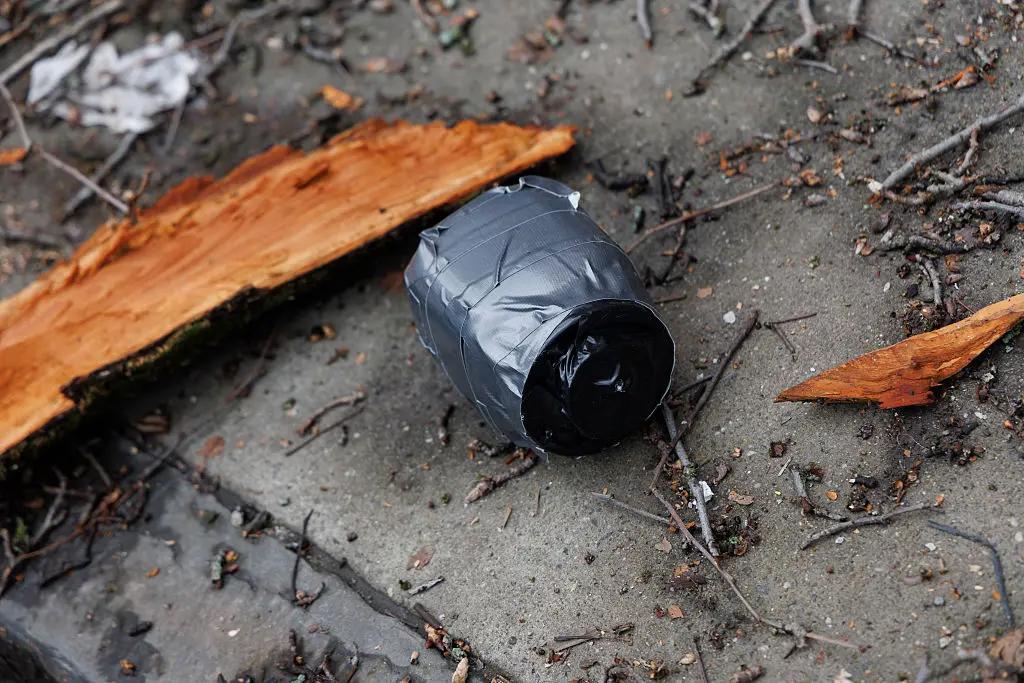
A homemade explosive device is seen on the ground outside Gracie Mansion in New York City, U.S., on March 7, 2026. (Matthew Hoen—NurPhoto/Getty Images)
Police have identified the homemade explosive TATP, triacetone triperoxide, as the high explosive used in what is now called a terrorist attack in New York City on Sunday, March 8, 2026.
TATP is highly sensitive to heat, friction and shock. Unlike conventional military explosives, which require a specific initiation sequence to detonate, TATP can detonate from handling, temperature change or minor physical disturbance. A device left in a warm car, exposed to direct sunlight or jostled during transport may unexpectedly.
The explosive has also been used in several major terrorist attacks, including the July 7, 2005, London transit bombings, the Nov. 13, 2015, Paris attacks and the March 22, 2016, Brussels bombings. It can be manufactured from commercially available materials without specialized equipment. It is not a commercial or military grade explosive. It is not a professional product. It is improvised and extremely unstable.
As with all homemade explosives, its composition and consistency vary from batch to batch and maker to maker. Two devices built by two different people using the same compound may behave very differently. These inconsistancies lead to increased danger. Purity, mixture ratios, storage conditions and the knowledge of the person who made it all affect the sensitivity of each mixture. There is no quality control. Law enforcement and explosive ordnance disposal personnel with years of training approach every device and HME as a unique unknown.
In raw form, TATP is a white crystalline powder that resembles table sugar, powdered sugar or baking soda.
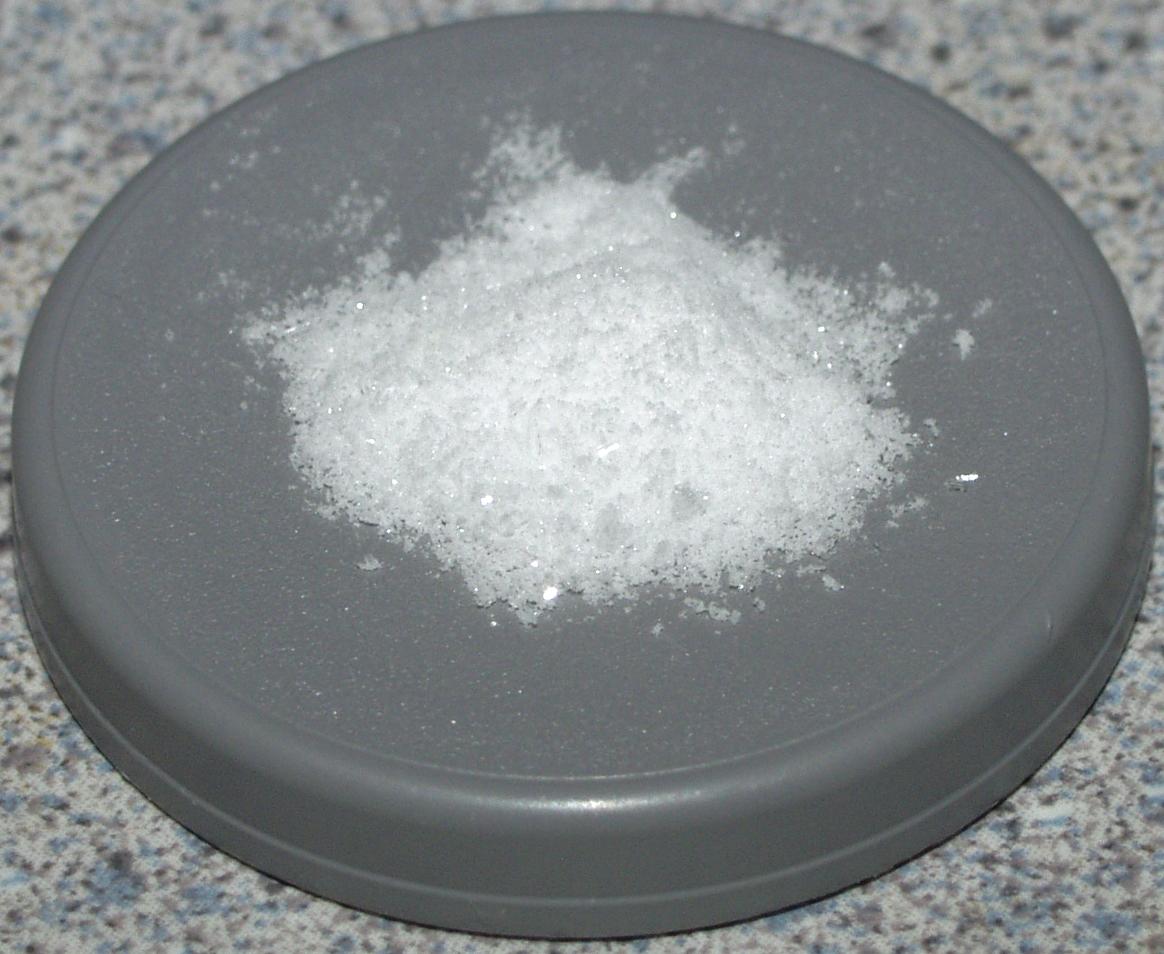
It carries a sharp chemical odor most often described as bleach-like or similar to acetone, the solvent in nail polish remover. If you detect an unexplained chemical smell of that nature near a suspicious object or person, do not investigate. Move away.
The instability of TATP and other home made explosives, makes it is difficult to estimate its yield. When homemade explosives are used in the contrustion of IEDs, they are prone to partial detonation, malfunction or unintended pre-detonation. A device that did not function as intended is not a safe device. Post-blast scenes may contain unexploded material, which present a significant hazards.
Whether a device contains TATP, other HME, or commercial/military-grade explosive, a journalist's should maintain a safe distance, proper cover and respect the instructions from authorities.
Understanding explosive hazards, the law enforcement response, and protective measures is essential to journalists. A proper risk assessment should be completed before responding to any explosive-related event. Newsrooms should have protocols in place with clearly defined expectations before any such assignment.
A significant hazard of any explosive event is the blast wave. A blast wave is a rapid, high-pressure shockwave front that travels faster than the speed of sound. This overpressure will cause catastrophic injuries. The U.S. Department of Defense defines blast injuries as "a complex type of physical trauma resulting from direct or indirect exposure to an explosion, ranging from internal organ injuries, including lung damage and traumatic brain injury, to extremity injuries, burns, and hearing and vision loss."
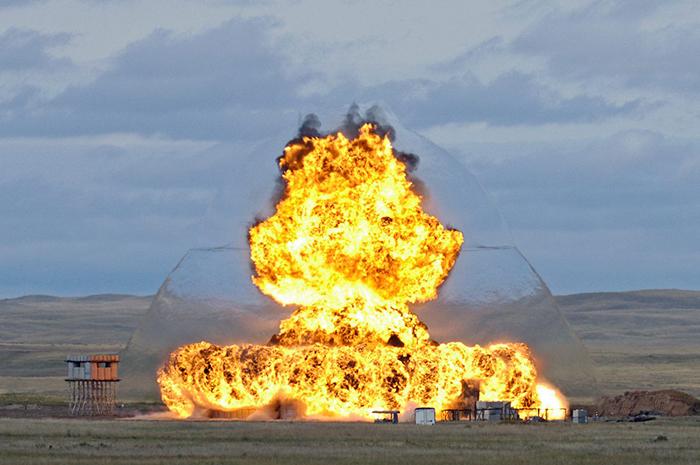
A blast wave is visible surronding the thermal effect of a detonation.
The closer to the device, the more lethal the blast. One cannot hide from a blast wave. Car doors, ordinary walls, and common urban fixtures may offer no meaningful protection. The pressure wave travels around corners, through openings, and can collapse light structures. True safety comes only from distance and substantial cover, such as reinforced concrete, and even then only at recommended standoff distances.
We label this an initial hazard because it is the most difficult to mitigate. Protective equipment offers little defense. Distance is the only reliable safeguard.
Explosive incidents rarely involve blast alone. High-velocity fragments will be launched outward from the seat of the detonation. Primary fragments will include the device casing, such as a a metal pipe, and include ball bearing, nails, screws, or other metal fragments attached to the device to cause harm. Secondary fragments includes shrapnel from the environment surrounding the device; such as glass, rocks, metal, and wood.
Additional Hazard of an explosive events include the thermal hazard. Fire, burns, and secondary fires may be ignited by the explosion. Follwing the event, Structural collapse may occur. Glass, masonry, and building debris will be displaced by the shockwave. Depending on the nature of the attack, chemical hazard may be present. The threat of follow-on attacks should be assumed. Secondary devices deliberately placed to target first responders and bystanders, including media.
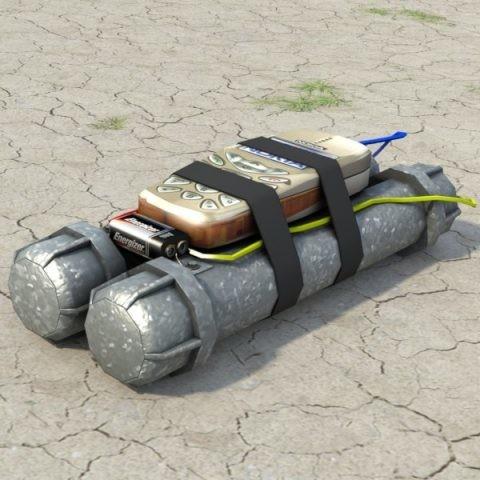
When discussing explosive attacks, two related nonexplosive indicents may also present harm. A Hoax devices is a device constructed to look like an explosive hazard but contains no distructive material. It may include wires, pipes, batteries, or clocks placed to provoke fear and trigger a law enforcement response. Unlike a harmless false alarm such as a forgotten bag, A hoax device involves criminal intent and is designed to cause disruption and emergency response. Law enforcement treats both as real until proven otherwise.
A come-along incident uses a minor suspicious event, such as a small package, loud bang, or false report, to draw first responders, journalists, and the public into a location, where a second, larger device is then detonated. Groups have used this tactic worldwide to maximize casualties. Secondary devices may be hidden along the routes or in areas where media and responders naturally gather. After an initial disruption, reporters assume the threat has passed, only to be injured by the secondary device.
Never assume the first device or incident is the only one.
Situational Awareness is your first line of defense. Always be aware of what is within 10 to 15 feet of your location. This is minimum a personal safety perimeter. Every object in this radius should be known to you: what it is, whether it was there when you arrived, and whether anything has changed. Bags, backpacks, boxes, containers, or any unattended item that appears in your safety perimeter should be identified and assessed.
Beyond that immediate perimeter, keep active watch on everything within 30 to 45 feet. Scan for changes in how people are moving, where they're going, and whether anything in the environment has shifted since you arrived. A crowd that suddenly opens up in one spot, a person pushing against the flow, an unattended bag that wasn't there a few minutes ago, someone whose behavior doesn't fit the scene. Any of these is a signal to move.
These zones do not replace standoff distances from a known or suspected device. They are the framework you apply before a device is identified.
Journalists should remain behind law enforcement barriers. If you can see the device clearly, you are too close.

When an explosive hazard is reported, you can expect that law enforcement will:
- Cordon establishment. Police set an inner and outer perimeter to control access.
- Evacuation. All civilians, including media, are moved out of the hazard area.
- EOD response. Bomb squad technicians use robots, protective suits, and remote tools to assess and neutralize the device.
- Secondary device sweeps. Areas are checked for additional explosives, especially in suspected come-along incidents.
- Controlled detonation or render safe.The device may be disrupted in place or transported.
- Post-blast or hoax investigation. The scene is treated as a crime scene regardless of outcome.
Covering these events is not the same as covering a fire or traffic accident. Journalists must:
- Respect the cordon. Never cross a barrier, even if no officer is immediately present to enforce it.
- Keep distance. Follow DHS guidelines. If you can see the device clearly, you are too close.
- Apply your awareness zones. Know your 10-to-15-foot immediate radius and monitor the 30-to-45-foot zone around you continuously.
- Stay behind hard cover. Position yourself behind a building corner, concrete wall, or other substantial cover. Glass offers no protection.
- Watch for secondary devices. Unattended bags, boxes, or items near your position should be identified and treated as potential threats.
- Stay alert to come-along risks. If an initial incident appears resolved, maintain vigilance for secondary threats before moving closer.
- Avoid clustering. Do not gather with other media in predictable groups near the perimeter. Designated media briefing locations can become predictable targets.
- Follow law enforcement instructions. Obey evacuation and movement orders without delay.
- Plan communications.Your editor or newsroom should know your location, your distance from the scene, and your reporting plan at all times.
- Protect your hearing and eyes. Ear protection and shatter-resistant eyewear reduce injury risk if an unexpected detonation occurs.
Explosives, whether real, hoax, or part of a come-along ploy, are unpredictable. No story is worth your life. A journalist's responsibility is to bear witness, and survival depends on respecting distance, practicing disciplined situational awareness, recognizing hazards before they materialize, and allowing professionals the space they need to work safely.
About the Author
This report was authored by Bryan Woolston, Executive Director of Crisis Ready Media. Woolston is a photojournalist with more than a decade of experience covering breaking news, politics, and conflict for major international outlets. He served 20 years in the U.S. Army as an infantryman and Explosive Ordnance Disposal technician, receiving extensive training and operational experience in identifying, rendering safe, and disposing of explosive hazards, including improvised explosive devices and chemical, biological, and radiological threats. He brings both frontline military expertise and newsroom perspective to the subject of explosive hazards and journalist safety.